Guests wanted to know if it would fit. We mostly couldn't tell them.
Sizing is one of the last questions between a shopper and "add to cart." The data was unambiguous — guests were searching for sizing in droves and coming up empty, then telling us about it in forums, blogs, and calls to customer service. With coverage near 10%, we were effectively hiding the dressing rooms: people guessed, then either left or sent it back.
As lead strategist, my goals were to build information-rich size and fit guides, fix how sizing attaches to products, and lift conversion while cutting returns.
"I've never seen a site before without one… not having a size chart is ridiculous."
"I'm about to go nuts. There's a swimsuit coverup on Target.com and I can't find a size chart anywhere for their junior lines. So I have no idea if I want a 1, 2 or 3."
"Target doesn't have a size chart online??? I called customer service and they gave me the size chart and told me they'd pass along the suggestion. Odd that you'd have to suggest that to a company that's been around for decades."
"Make your size chart easier to find. Go look at Landsend.com — they do it right!"
"I've searched and searched and can't find a size chart! Some reviews say their clothes fit big, some small."
Three root causes, not one.
Before building anything, I sat down with merchandising, customer service, platform tech, and apparel designers to understand the real problem.
The content itself
The few size charts we had were built as creative assets, not educational tools — visually polished, but combining several brands into one generic chart and often missing units of measure. That alone broke trust, because guests already knew a medium in one brand fits nothing like a medium in another.
Discoverability
A chart, when one existed, was buried as just another product image — no link, no label, nothing where guests expected it. Finding it meant flipping through the photo carousel and hoping.
The attachment method
Population was manual and cumbersome — whoever set up the SKU had to remember to find and attach the right file across a huge matrix of gender, garment type, sizing variation, and brand. The result: charts on fewer than 10% of the products that needed them.
Get the data right, then make it scale.
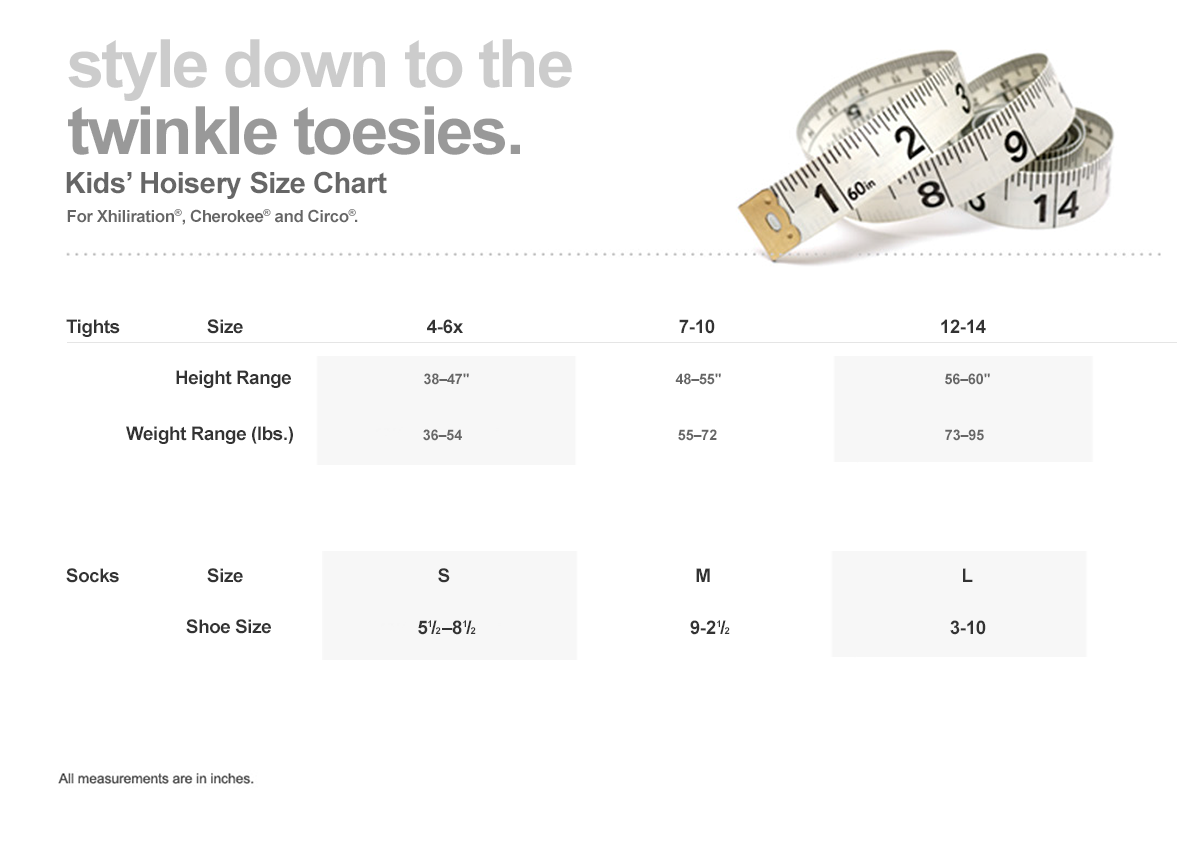
I partnered with in-house and third-party apparel designers across 40+ brands to source correct measurements, built a sizing taxonomy and template so every chart was consistent and complete, and trained vendors to supply data in that format.
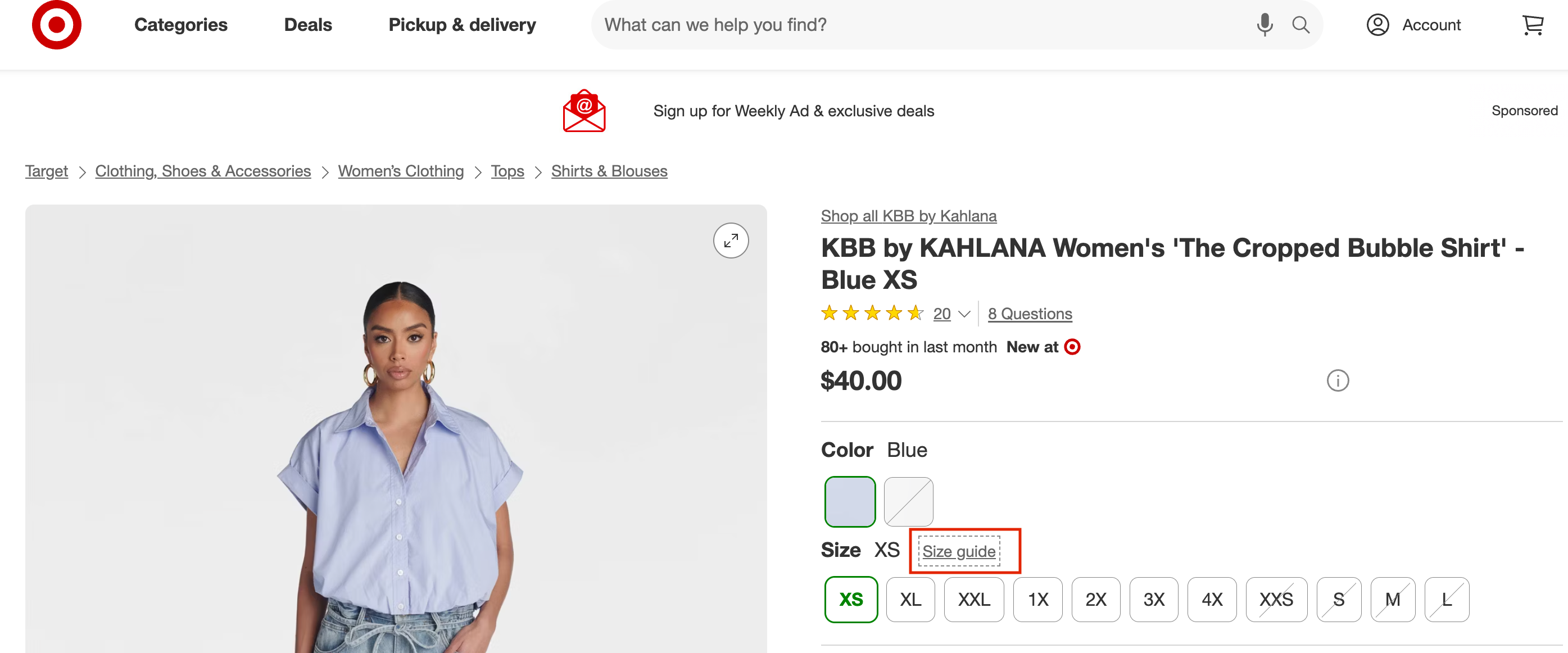
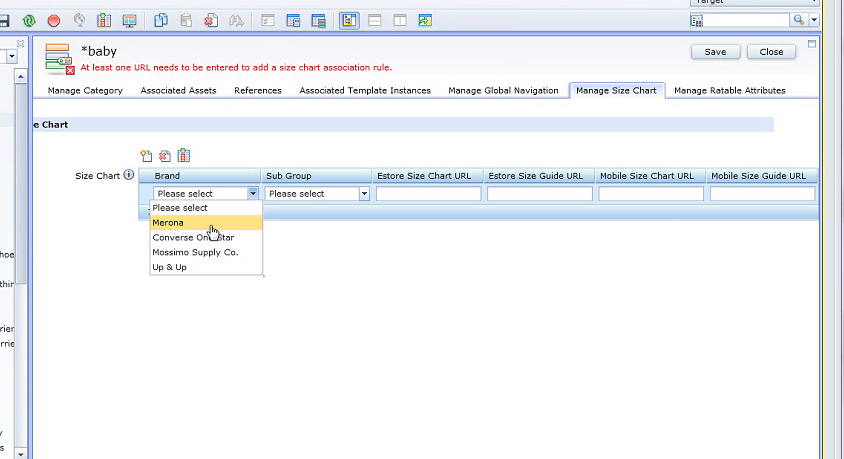
I worked with engineers to catalog sizing to that taxonomy and stand up one-click size-chart association — so when merchandising set up a SKU, the correct chart attached automatically by attribute instead of by memory. We also gave sizing its own dedicated link on the product page, matching what guests expected elsewhere.
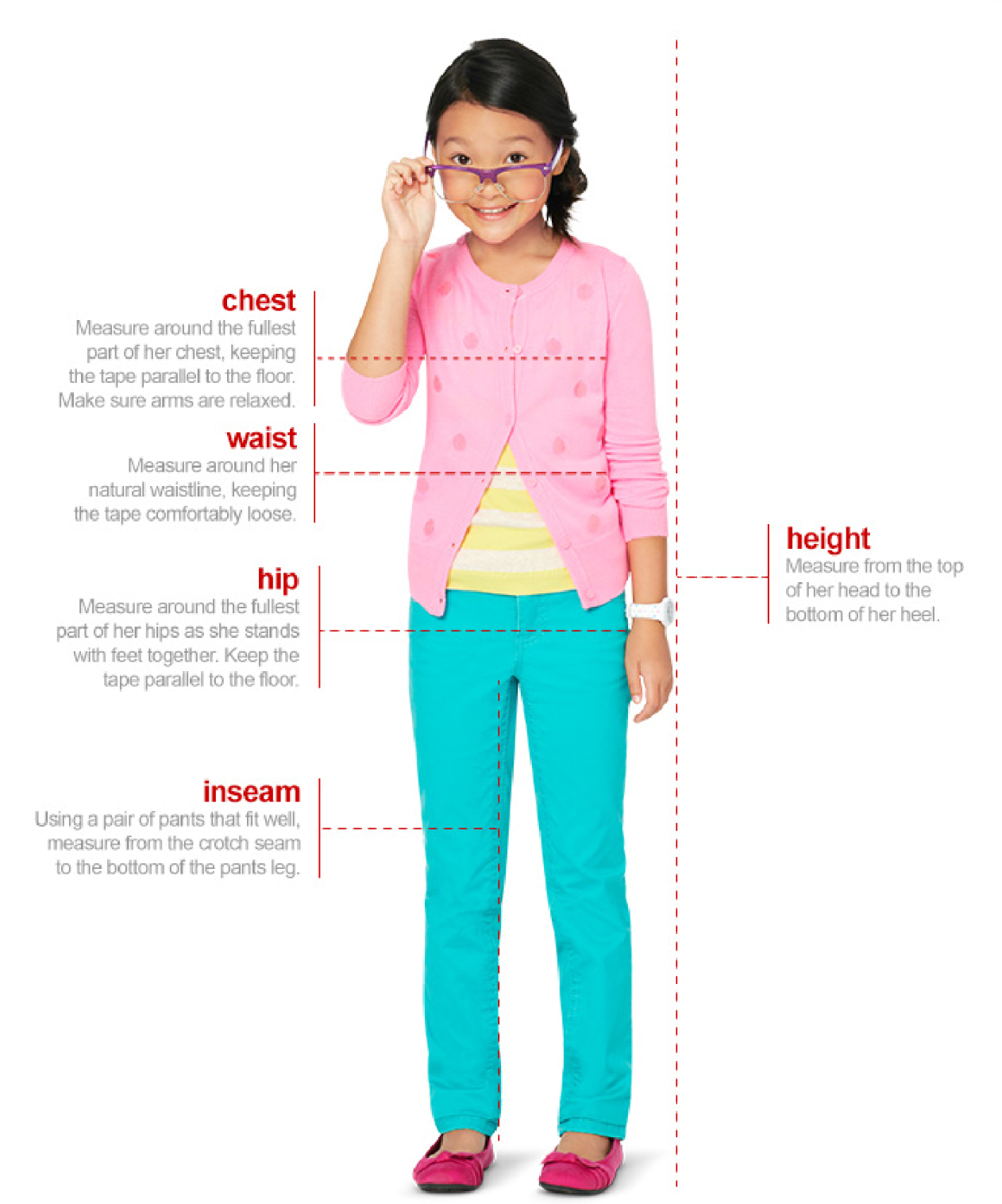
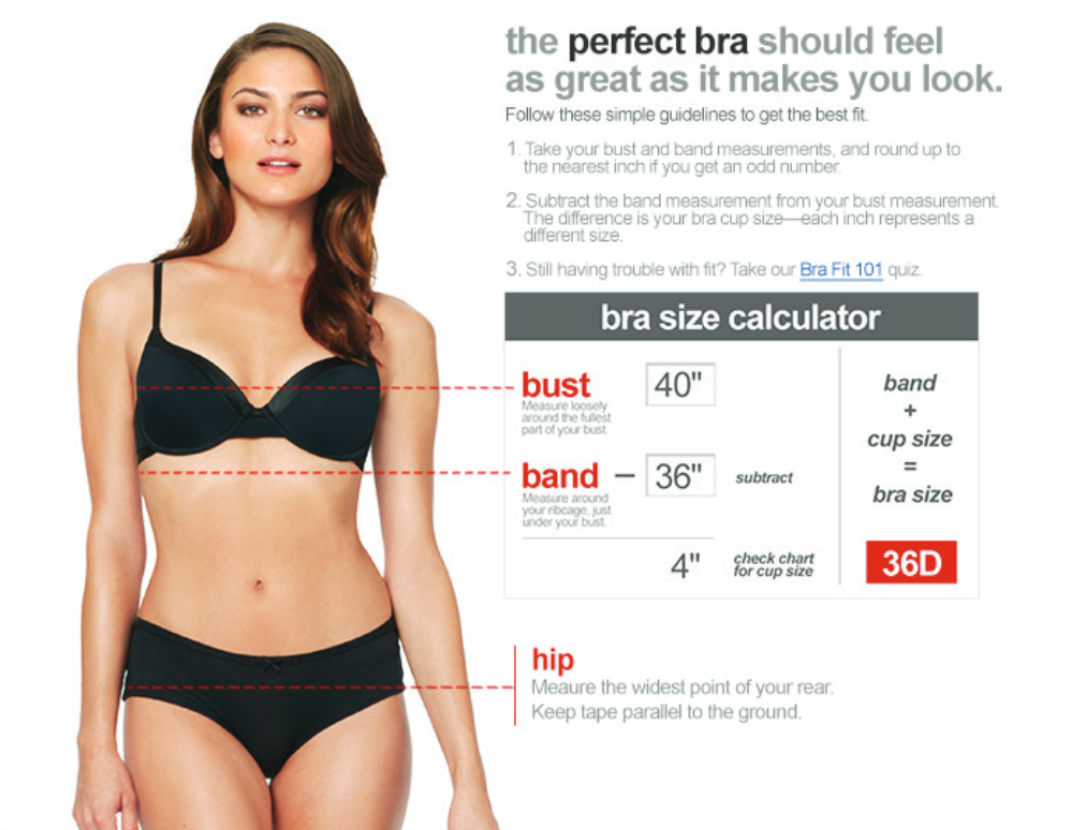
Reading guest behavior, I saw people didn't just want measurements — they wanted lived experience of how something fit. So I expanded the work into fit guidance: swimwear style guides, a kids' foot-measuring tutorial, a bra-size calculator. I led the content design and directed the creative, including a casting call and photo shoot for brand-appropriate imagery.
A complete chart for every brand, one click from the size selector.
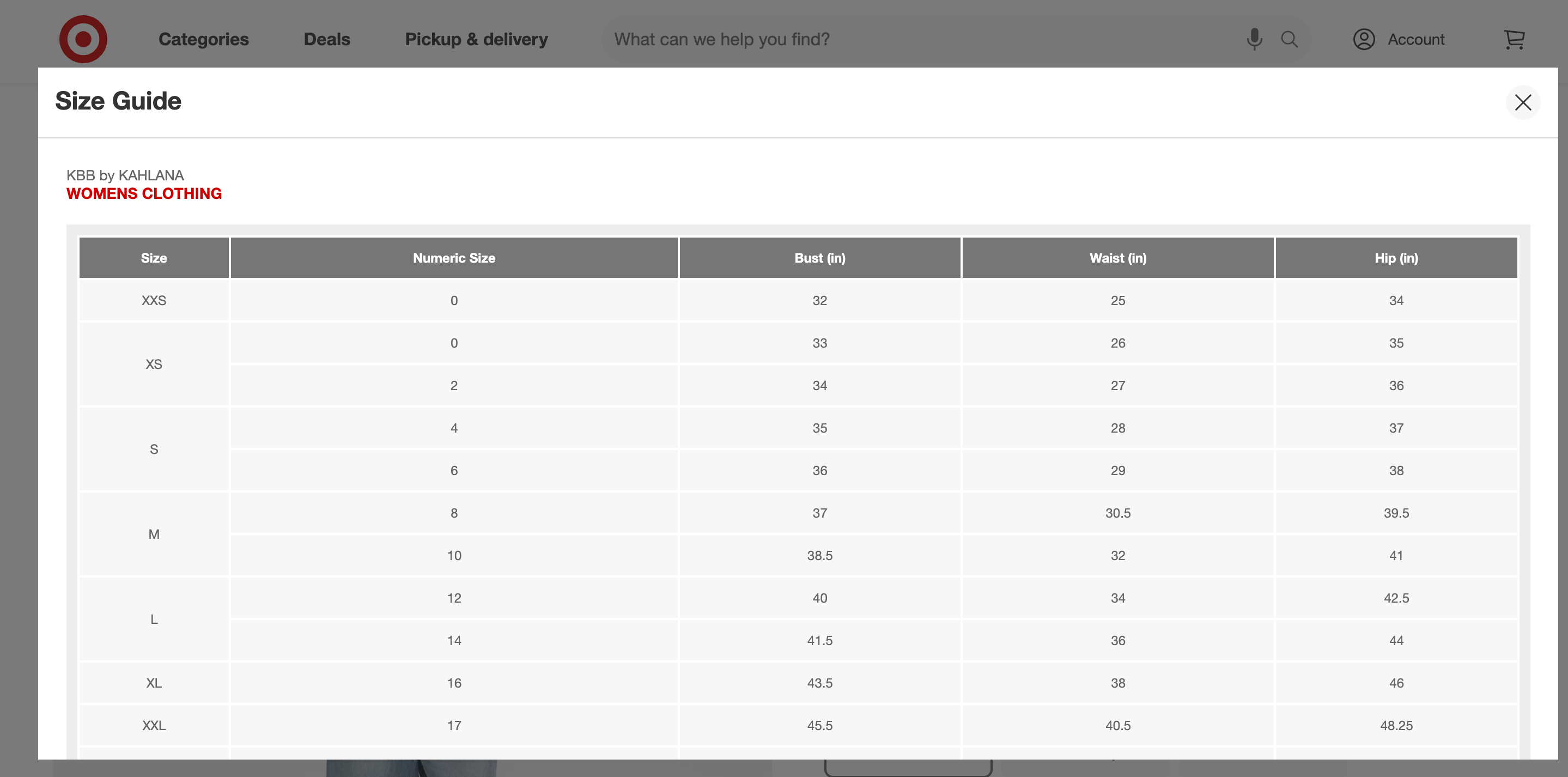
The centerpiece: brand-specific size charts built on the new taxonomy — real measurements, every garment type — surfaced through a dedicated link right where guests choose a size, opening in a modal that keeps them in the shopping flow.
Set up once, publish everywhere.
The structural idea was dynamic anchoring — charts keyed to the item itself, so a guest on petite pants lands directly on the petite chart, in a modal that keeps her in the shopping flow. Brand and sub-group rules in the CMS meant one-time setup per category: the right chart auto-published the moment items launched — and sizing reached mobile for the first time.
Charts answer "what size am I?" — not "how should this fit?"
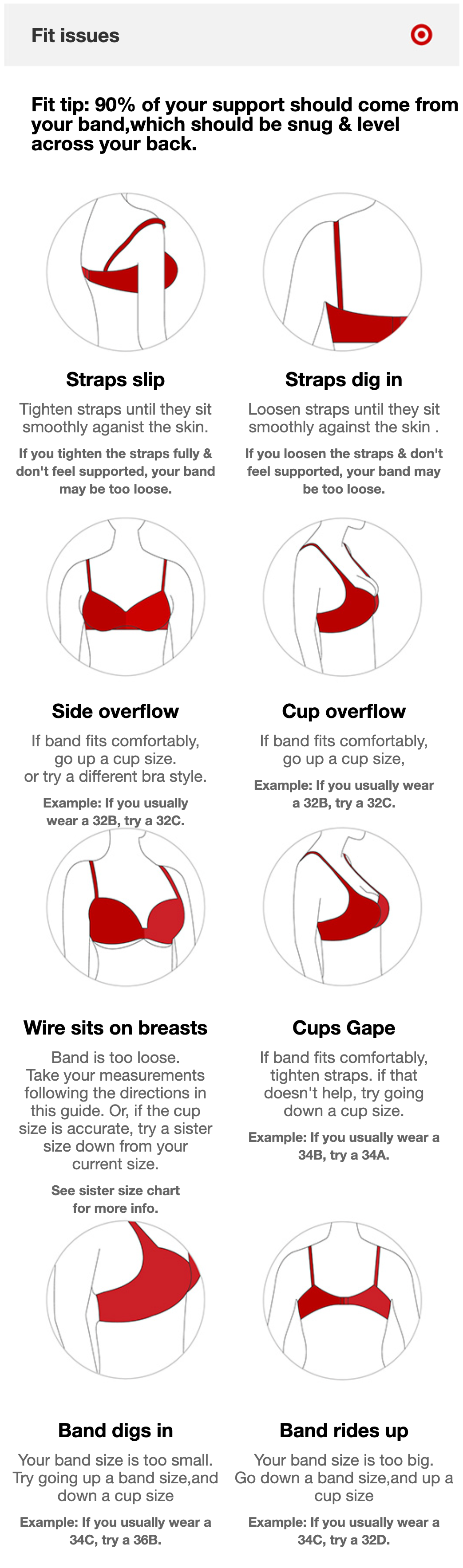
Guest behavior showed a second question hiding behind the first: people wanted the lived experience of fit, not just measurements. So the program grew an education layer for the categories where sizing gets personal — how to measure a squirming kid, how to find a bra size, how to tell when a fit problem is really a size problem.
The automated association took a few months to fully debug, so rather than make guests wait, I stood up a search landing page — a repository of every chart that our search team routed queries to — surfacing the content immediately. Guest complaints dropped within days.
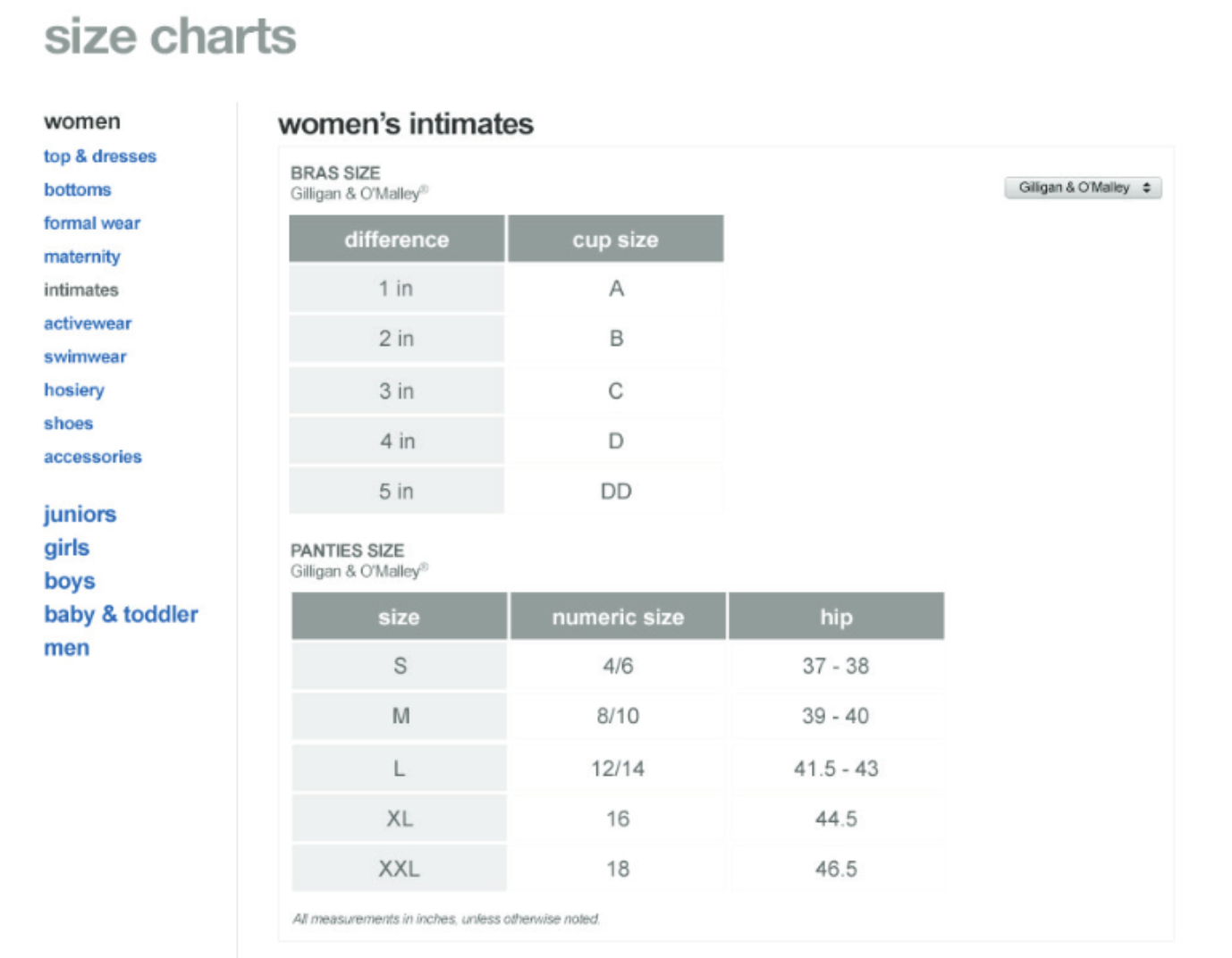
Returns fell too, with the biggest gains in historically high-return categories like intimates and seasonal apparel, where the right sizing and educational content finally let guests choose correctly.
The work didn't stop at size charts.
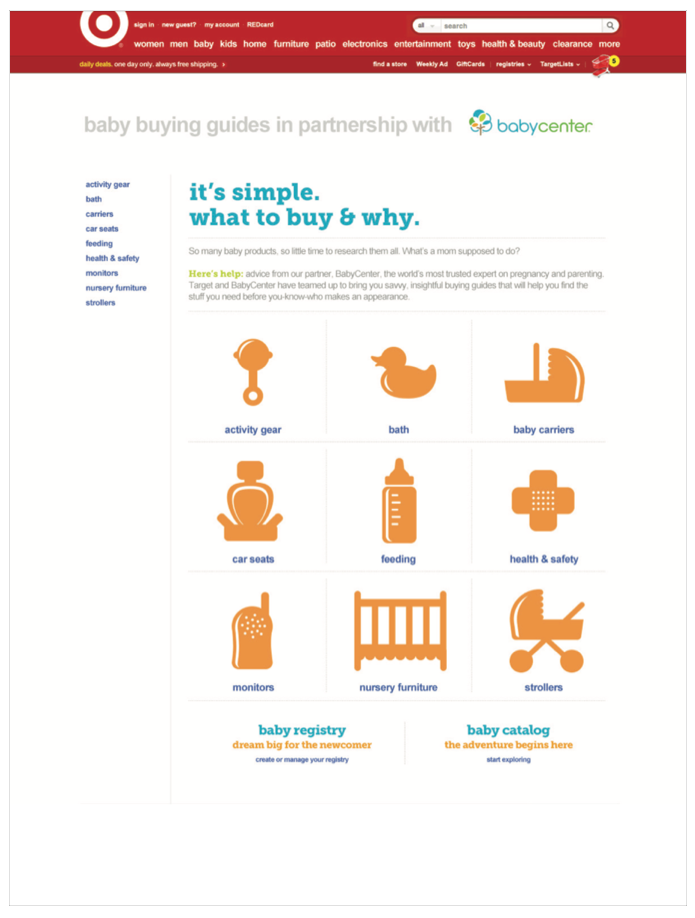
Six months of work turned a frustrating gap into a seamless experience — and a content model the team kept scaling long after launch. Its success expanded my mandate to educational content across other categories, which led me to spot the next gap and build buying guides that helped new parents shop for baby gear. It's the clearest example of how the right content, structured the right way, earns trust and moves a business metric.